Hurricane Preparedness: Before, During, and After the Storm
8/14/2025 (Updated: 2/25/2026) - SouthState Stories and Insights
Before the Storm: Prepare Proactively
Preparation begins well before a hurricane is even on the radar. Once a storm is forecasted, supplies fly off the shelves, evacuation routes become congested, and tensions rise. That's why the best time to prepare is long before hurricane season arrives.
Review Insurance Coverage
Make sure your insurance coverage includes hurricane and flood damage, and that your deductibles are set at a manageable level. Familiarize yourself with the steps necessary to file a claim and take photos or videos of your home and possessions before the storm. Having these “before” photos can help streamline the claims process later.
Create an Emergency Plan
Every family member should know what to do in the event of a storm. This includes identifying a safe location in the home, planning evacuation routes, and choosing a central contact person everyone can check in with if separated.
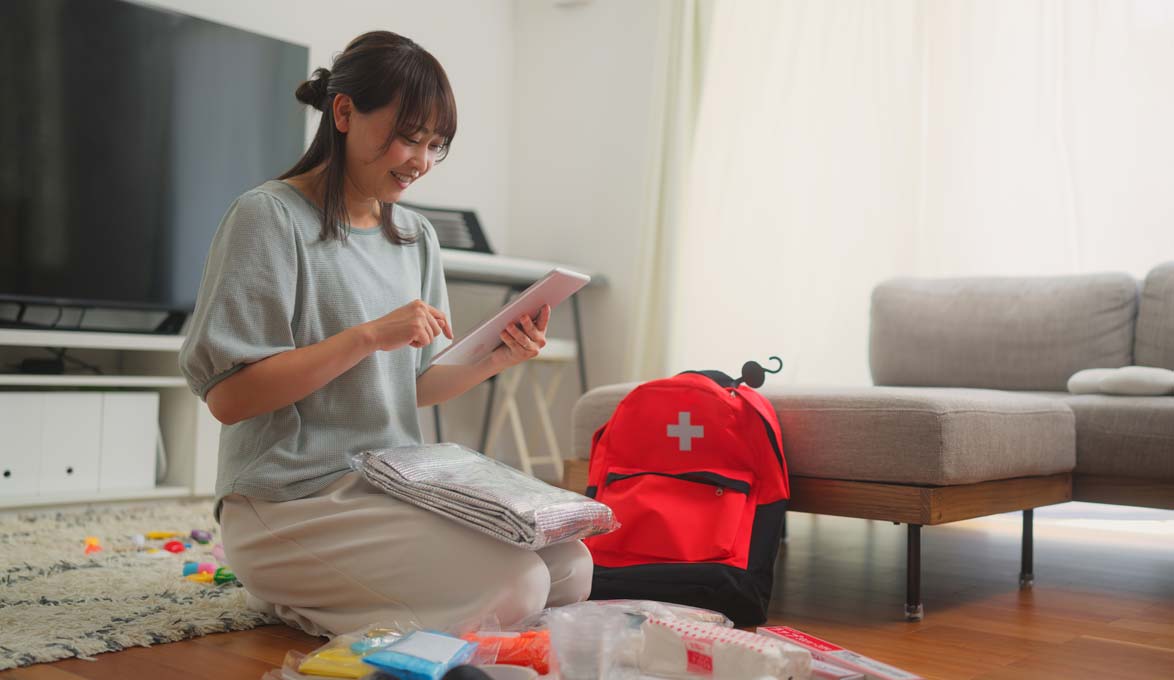
Assemble a Hurricane Supply Kit
Your kit should include at least three days' worth of non-perishable food and bottled water, a flashlight with extra batteries, a battery-powered or hand-crank radio, a portable phone charger, medications, a first aid kit, and essential hygiene products.
Prepare Your Financial Hurricane Kit
Along with having appropriate supplies on hand, you need to be prepared both personally and financially. Assemble important documents such as insurance policies, personal identification, and medical records and store them in a waterproof container. Also be sure to withdraw an appropriate amount of cash in the event power outages prevent ATMs and other payment systems from working.
Secure Your Home
Your home should be physically prepared to withstand the hurricane conditions coming your way. Install storm shutters or plywood panels over windows, secure loose items around your yard that could become airborne in high winds, and trim trees to minimize the risk of falling branches. If you live in a flood-prone area, gather sandbags and place them at the entry points of your home.
Follow Evacuation Orders
Listen closely to local authorities and follow evacuation orders immediately if they are issued for your area. Don’t wait until the last minute. Leaving too late could mean being trapped in dangerous conditions.
During the Storm: Stay Informed and Safe
When a hurricane is actively impacting your area, your focus should shift entirely to safety. This is when you will benefit from all the preparations you have already put in place.
Monitor Weather Alerts
During the storm, conditions can change rapidly. Stay informed by following the National Hurricane Center or other trusted weather apps. Resist the temptation to go outside to assess damage until officials confirm that it’s safe.
Stay Indoors and Away from Windows
If you are sheltering at home, choose a safe interior room away from windows, such as a bathroom or closet. Stay indoors throughout the storm, even if it appears to calm down. The eye of the hurricane may pass over your area, but strong winds can return suddenly from the opposite direction.
Reduce Personal Safety Risks
If you lose power, avoid lighting candles due to the risk of fire. Instead, use safer alternatives like battery-powered lanterns and flashlights. If you are using a generator, be sure it's properly ventilated and placed outside at a safe distance from your house to prevent carbon monoxide poisoning.

After the Storm: Assess and Recover Carefully
Once the winds die down and the rain subsides, the impulse to get back to normal kicks in. But the aftermath of a hurricane presents its own set of challenges and potential dangers. Take the proper steps following the storm to begin the recovery process.
Wait for the “All Clear”
Do not leave your home or shelter until officials declare it is safe to do so. Roads may be flooded or blocked by debris, and power lines may be down. If you come across a downed power line, always assume that the electrical wires are live and report them immediately.
Check on Neighbors
If you are able, check on your neighbors, especially the elderly or those with disabilities. Recovery is a community effort. Offering help to those that need it can make the process easier for everyone involved.
Document Damage
As you begin to assess any damage to your home, document everything. Take detailed photos of any destruction before starting cleanup or making temporary repairs. This evidence will be invaluable when filing insurance claims. Then contact your insurance company as soon as possible to begin the claims process.
Clean Up Safely
Clean up should be done with extreme caution. Wear protective clothing, including gloves and boots, and be alert for hazards like broken glass, nails, unstable structures, and water contamination. If your home is flooded, remove wet items quickly to prevent mold growth.
Be Patient and Take Care of Your Mental Health
The stress of hurricane preparation, the fear during the storm, and the frustration of recovery can be overwhelming. Don’t hesitate to seek support from friends, community resources, or professional counselors. Your mental health is just as important as your physical safety.
Reach Out for Assistance
Local community organizations can often provide assistance more quickly following a hurricane, so become familiar with those in your community.
You may also find the following national organizations as a helpful resource following the storm:
While we can’t control where or when a hurricane will strike, we can control how we prepare and respond. Let this be the year you take hurricane preparedness seriously. Review your emergency plan, stock your supply kit, and talk to your family about what to do in the event of a storm. Preparation isn’t panic. It’s peace of mind.